
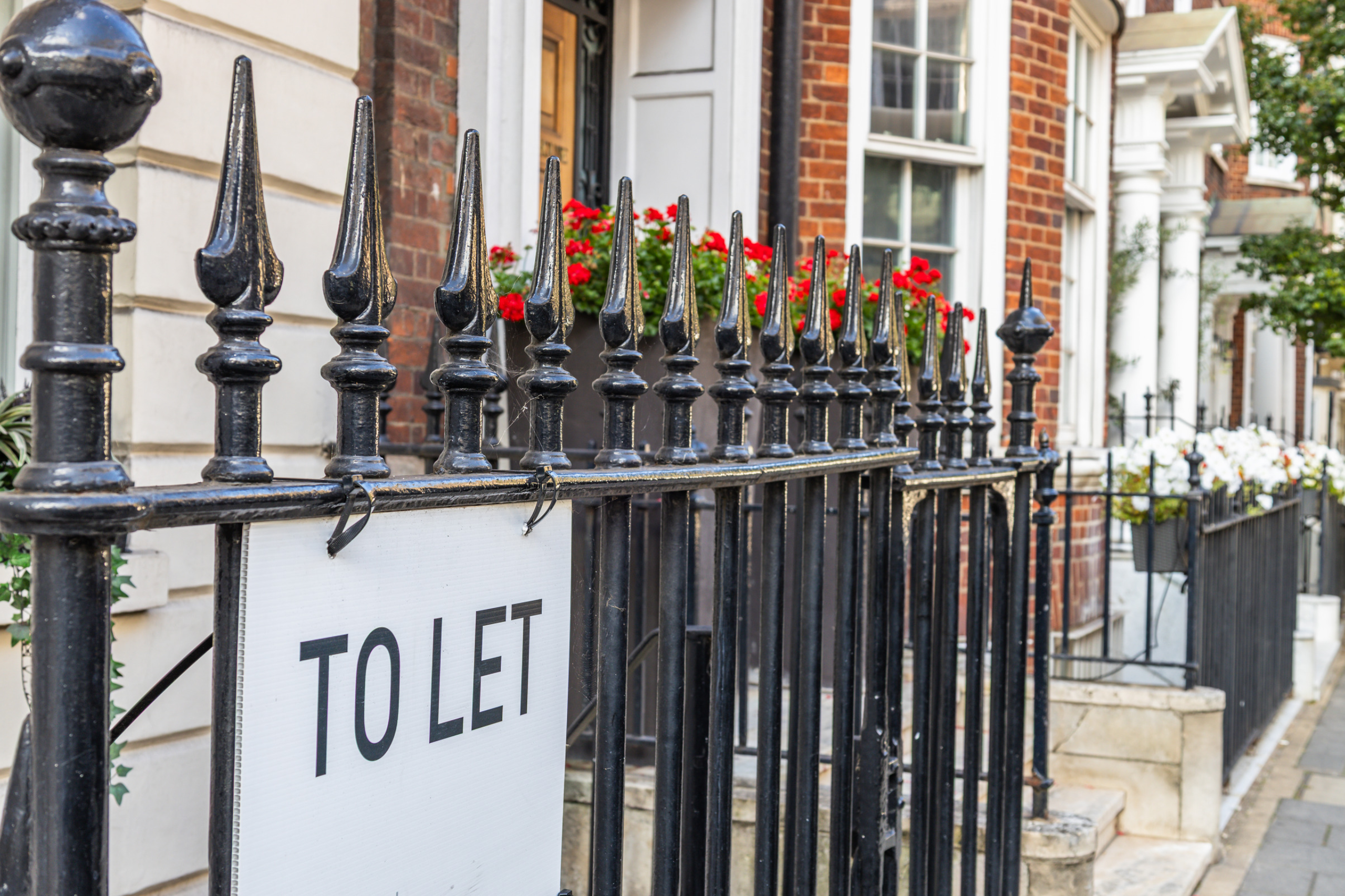
If you already rent out a home in England, or you’re thinking about buying your first buy-to-let, you may have heard about the government’s new ‘Register your rental property’ service. It opens in the West Midlands on 15th December 2026, with other regions following in stages. Each region has a three-month registration window, so your deadline depends on where your property is.
Some properties are exempt, so a good place to start is by checking whether yours needs to be registered. As the landlord, it’s your responsibility to check, and you can find the details in the government’s guidance for landlords.
What is the new landlord database?
The landlord database is a national register of private landlords and the homes they let in England, created by the Renters’ Rights Act. It gives councils a clearer picture of rented homes in their area and makes it easier for landlords to show they’re meeting their responsibilities. You’ll need a GOV.UK One Login to use it. The register covers England only, as Scotland and Wales run their own landlord registration schemes.
- Our guide to Section 21 being abolished explains another major change introduced by the Renters’ Rights Act.
Do I need to register as a landlord in England?
The register covers most private residential lets in England, including homes let on assured or regulated tenancies. It applies whether you let one property or several. In the 2024 English Private Landlord Survey, 45% of landlords surveyed owned one rental home.
During the rollout, registration applies to properties that are already let or become let during the relevant registration window. If you’re buying your first buy-to-let and it is still empty, you do not need to register simply because you intend to let it.
The government plans to introduce a requirement to register before advertising an unoccupied property at a later date. Landlord and property registration numbers will also need to appear in advertisements once those rules take effect.
- For the wider responsibilities alongside registration, read our Landlord Responsibilities guide.
When does the private rented sector database start?
Each region has a three-month registration window. You can find yours below using the location of your rental property.
Property location | Registration window opens | Registration deadline |
West Midlands | 15th December 2026 | 14th March 2027 |
East of England | 15th January 2027 | 14th April 2027 |
East Midlands | 15th February 2027 | 14th May 2027 |
Southeast | 15th March 2027 | 14th June 2027 |
Yorkshire and Humberside | 15th April 2027 | 14th July 2027 |
North West | 15th May 2027 | 14th August 2027 |
North East | 15th June 2027 | 14th September 2027 |
London | 15th July 2027 | 14th October 2027 |
South West | 15th August 2027 | 14th November 2027 |
These dates depend on where the property is, rather than where you live. For example, a landlord living in London with a rental property in Birmingham must meet the West Midlands deadline of 14 March 2027.
If you own properties across several regions, you can register them all from 15 December 2026 without waiting for each region’s window to open. Each property must be registered by its applicable deadline. The government’s landlord guidance includes a council-by-region list if you’re unsure which applies.
How much does it cost?
The annual fee is £65 per rental property, so someone letting three homes would pay £195 a year. If you own a property jointly, each landlord must register, but the property fee is charged only once. You can split that cost between you if you wish.
Your first payment will be lower during the rollout. That’s because charges only cover the period from 15th November 2027 onwards. For example, if you register for one home on 15th December 2026, your first payment will be £5.34, with your annual renewal due on 15th December 2027.
What’s worth having to hand?
Much of the information required will already be held by you or your letting agent. Gathering it in advance should make registration easier, particularly if you own several rental properties.
According to the government’s Housing Hub checklist, landlords should prepare:
- Landlord details: Name, date of birth, residential address, telephone number and email address.
- Property details: Address, ownership type, dwelling type, bedroom count and whether it is currently let.
- Relevant contacts: Information about the freeholder, superior landlord or property manager, where applicable.
- Tenancy details: Number of occupants and households, whether the property is furnished, and any HMO, additional or selective licensing information.
- Rent details: The amount charged, payment frequency and whether utilities are included.
You should also have the relevant safety and energy documents ready, including your gas safety record, Electrical Installation Condition Report or appropriate Electrical Installation Certificate, and Energy Performance Certificate. Our guide to the 2030 EPC reform explains what’s changing for landlords.
If a letting agent or management company looks after your property, they can help here too. You start the registration, then your agent can add the tenancy and safety information once you have a registration number for an occupied home. You have 28 days from registration to make sure the record is complete. If details change later, or a certificate expires, you have 28 days to update the record.
Do I need to register if I live overseas?
Yes. If you live overseas and rent out a home in England on an assured or regulated tenancy, you’ll need to register yourself and the property. Your deadline depends on where in England your rental property is, and you’ll need to give a correspondence address in England or Wales for each property, which can’t be a PO box. If you use a UK letting agent, they can help with the tenancy details and safety records once you’ve started the registration.
If you’re considering your first buy-to-let from abroad, there’s nothing to register for while you’re looking. During the rollout, registration applies once you’re letting the property on a tenancy covered by the rules.
What if I miss my registration window?
Once the regional deadline passes, councils can issue a penalty of up to £7,000 for failing to register yourself or your property on the PRS database.
A higher penalty of up to £40,000 can apply if someone knowingly or recklessly provides false or misleading information.
Some investors choose managed, hands-off property instead of letting directly. Knight Knox offers managed property investments, and our Hands-Off Property Investment guide explains how this approach works.
Looking for more information? Get in touch. Our property consultants are happy to answer your questions and discuss opportunities that suit your investment goals.
The information in this article is for general guidance only and does not constitute personal legal, financial, tax or investment advice. Property values and rental income can fall as well as rise. Past performance is not a reliable indicator of future results. You should seek independent professional advice before making any investment decision.
Read more
The Autumn Budget 2026: what does it mean for the UK property market?
How accessible is the UK property market for overseas investors?
What the Government’s Ten Year Housing Programme Means for Specialist Supported Housing
Summer property market round-up: The latest news for UK property investors

Rebecca Jackson began her property career at just 16 and has spent the past 13 years with Knight Knox, growing into her current role as Associate Director. Her journey has taken her around the world—hosting seminars, meeting clients face-to-face, and even taking part in a charity skydive—all while building a wealth of experience and strong client relationships.
Rebecca’s passion for property is personal. She loves helping clients build their portfolios and long-term wealth, and takes great pride in the longstanding connections she’s formed with both investors and colleagues over the years.