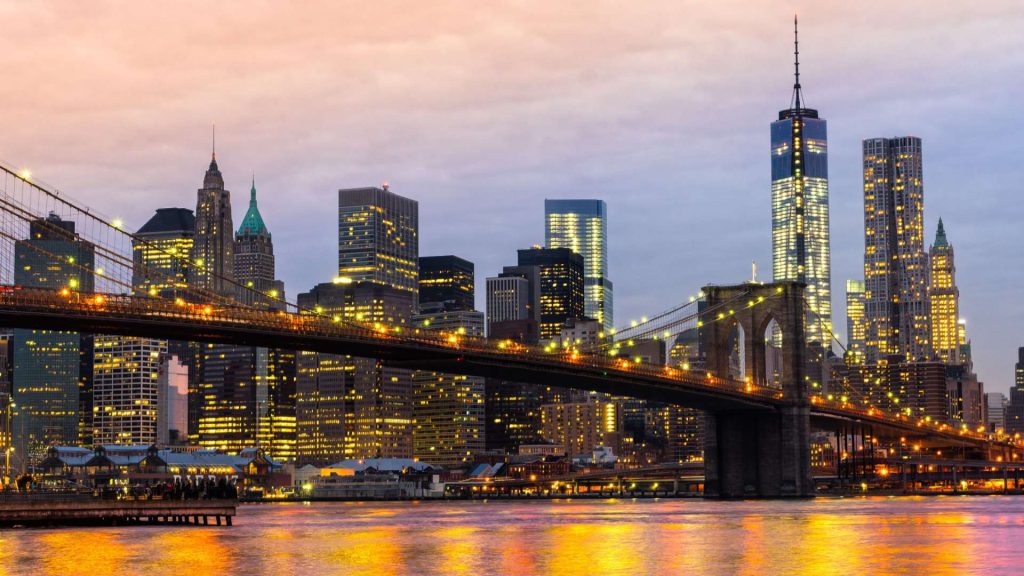

For decades, London has been regarded as the beating heart of the UK. It has drawn entrepreneurs, global brands, investors, and creatives alike, serving as the country’s dominant hub for business, culture, and luxury living. But as economic and social dynamics shift, many are asking the same question: is Manchester quietly becoming the new London?
The North’s largest city has been on an upward trajectory for years, but new developments and changing lifestyle trends are accelerating its rise. Between major international names entering the market, a thriving local economy, and a quality-of-life offering that rivals the capital without the premium price tag, Manchester is fast becoming one of Europe’s most exciting cities for both residents and investors.
Why London Is Losing Its Shine
London’s global appeal remains undeniable. Its history, culture, and reputation as a financial centre keep it at the forefront of international attention. However, the realities of living and working in the capital are becoming increasingly difficult to ignore.
- Cost of living: London is one of Europe’s most expensive cities. From rent to travel, everyday life comes with a steep price tag.
- Housing affordability: High property values lock out many first-time buyers, while investors face diminishing yields due to elevated entry costs.
- Lifestyle pressures: Even high salaries can be stretched thin when coupled with soaring energy bills, childcare costs, and transport fares.
For a growing number of people and businesses, London’s allure is being overshadowed by practicality. This has prompted a northward shift – with Manchester at the top of the list.

Why Manchester?
Manchester offers the perfect balance: a dynamic, culturally rich city that is significantly more affordable than London, yet still plugged into the global economy.
- More affordable living: Average rents are around half those in London, and everyday costs such as travel, dining, and entertainment are considerably lower.
- Compact and connected: The city centre is easy to navigate, meaning residents spend less time commuting and more time enjoying the city.
- Cultural appeal: Manchester’s music, sport, and food scenes rival those of larger capitals, while the Northern Quarter’s independent boutiques and cafes offer something distinctly Mancunian.
- Business growth: The BBC’s move to Salford was just the beginning. Tech giants including Google, Amazon, and Microsoft have all established a significant presence, fuelling job creation and demand for housing.
In short, Manchester is no longer just an alternative to London – it is a city with its own distinct global presence.
International Brands Take Notice
Soho House: A Northern First
One of the most significant cultural arrivals in recent years is Soho House Manchester, the first Soho House to open in the North of England. Located in the historic Granada Studios at St John’s, the five-storey venue brings with it:
- A rooftop pool and late-night music bar.
- Dining and lounge areas, ranging from casual to fine dining.
- A members-only gym with spa facilities, studio classes, and wellness spaces.
- Flexible event and social areas for gatherings and networking.
- Boutique bedrooms, including suites and a private two-bedroom apartment.
Membership not only grants access to this flagship venue, but also connects Mancunians to Soho Houses across the globe – a clear signal of the city’s new international status.
Nobu: Redefining the Skyline
Adding to the excitement, Robert De Niro’s Nobu Hospitality brand is entering Manchester with its most ambitious UK project to date. Set within the £360 million Viadux 2 development, the 76-storey tower will soon be the tallest building outside London.
Inside, the tower will host:
- A 160-room Nobu Hotel.
- A signature Nobu restaurant and bar.
- The UK’s first Nobu-branded residences – 452 luxury apartments with access to premium amenities, including a spa, swimming pool, podium garden, and concierge services.
For Manchester, this development is more than just another addition to the skyline. It places the city firmly on the map as a global destination for luxury living, on par with international cities like New York, Dubai, and Tokyo.

Manchester vs London: Everyday Comparisons
While London remains unmatched in scale, Manchester delivers a compelling alternative across key lifestyle and economic factors:
- Rent and property prices: Average monthly rents in Manchester are roughly half those in central London. Buying a home in the capital now costs, on average, over £700,000 compared to around £280,000 in Manchester.
- Transport: A day’s unlimited travel in London can cost £20 or more. In Manchester, around £10 covers most public transport. Taxis and ride-hailing are also more affordable.
- Culture and entertainment: London’s theatres and museums are world-renowned, but Manchester counters with a thriving arts scene, a legendary music heritage, and two of the world’s biggest football clubs.
- Shopping: London may boast Bond Street and Harrods, but Manchester combines big-name centres like the Arndale and Trafford Centre with a strong independent retail scene.
- Nightlife: Both cities are global nightlife destinations, but Manchester offers a more compact, affordable experience, with music venues and comedy clubs just minutes apart in the city centre.
The result? Manchester provides much of what London does – at a lower cost and often with greater convenience.
What This Means for Investors
The influx of international brands like Soho House and Nobu is more than just lifestyle news – it has direct implications for the property market. These high-profile developments demonstrate confidence in Manchester’s trajectory and signal increasing demand for luxury residential and hospitality space.
For investors, this translates into several key advantages:
- Rising demand: More professionals and businesses relocating to the city fuels sustained demand for rental properties.
- Capital appreciation: Regeneration projects, alongside international investment, strengthen Manchester’s long-term property values.
- Global appeal: Developments like Nobu Residences attract international buyers and tenants, diversifying the market.
- Stronger yields: With property prices still far below London’s, investors can secure higher rental yields without compromising on tenant quality.
The Verdict
So, is Manchester the new London? Perhaps not – the two cities will always play different roles. London remains the UK’s global capital, but Manchester is carving out a role that is equally compelling: a vibrant, fast-growing city where affordability meets world-class culture and opportunity.
With international brands making landmark investments and a population projected to outpace national growth, Manchester is more than a northern powerhouse. It is a city on the rise – one that investors cannot afford to overlook.

Tom Cooper
With over a decade of experience at Knight Knox, Tom Cooper plays a key role in driving our sales strategy and team success. As Sales Manager, he brings a wealth of industry knowledge and a genuine passion for building meaningful relationships with clients around the globe.
Tom thrives on connecting with people from diverse backgrounds, valuing every opportunity to learn from different cultures and perspectives. His approach is rooted in trust, communication, and long-term partnership.