
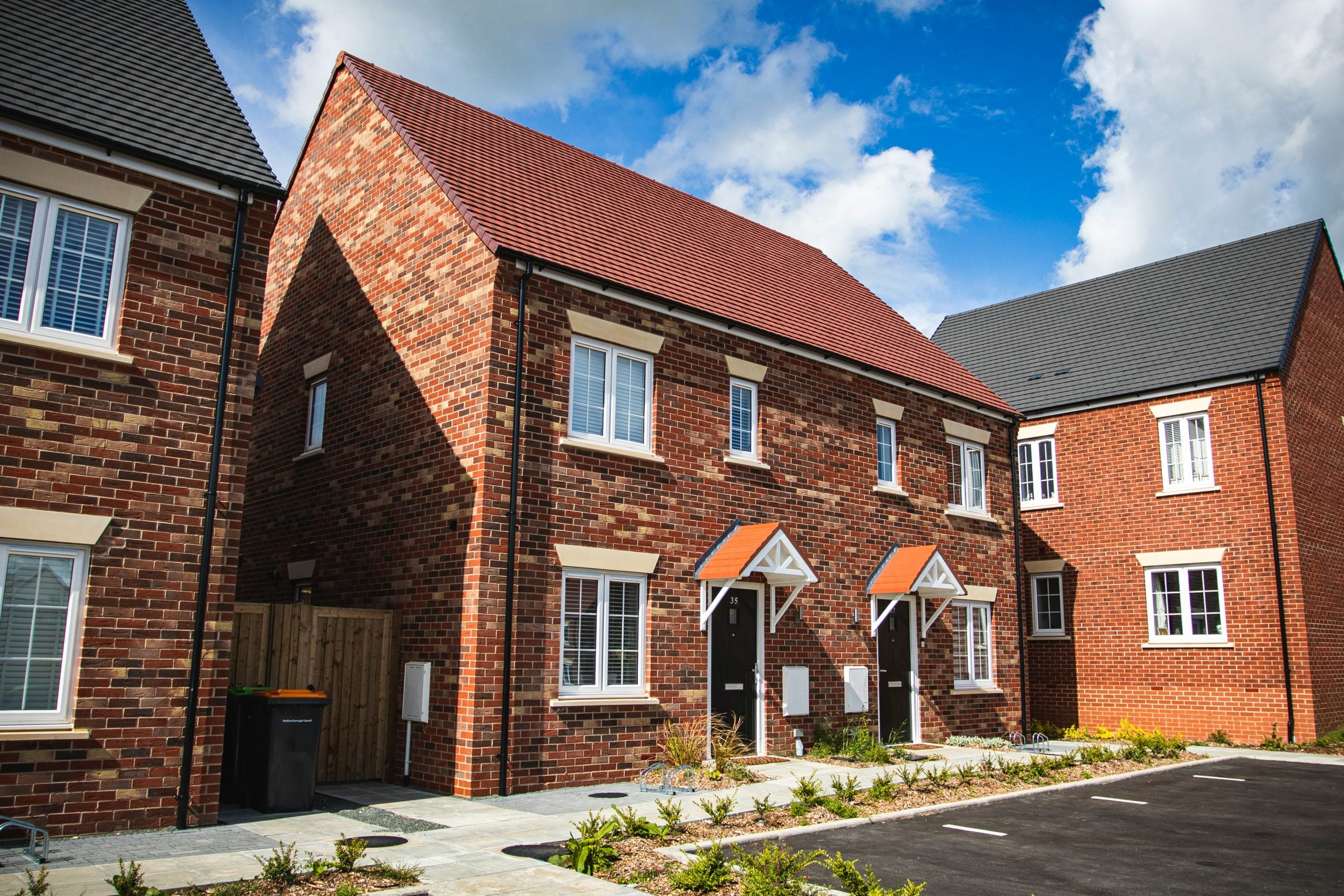
Understanding Specialist Supported Housing (SSH)
Specialist Supported Housing (SSH) refers to properties designed to support individuals who need extra assistance to live independently. This includes older adults, people with disabilities, or those with specific mental health or social care needs.
Unlike traditional care homes, SSH promotes autonomy while ensuring residents have access to professional support. Tenancies are generally long-term, and properties are fully managed by professional operators who handle compliance, maintenance, and tenant wellbeing.
SSH combines social impact with a potential avenue for stable, long-term investment, providing investors with a sector that is resilient to typical market fluctuations.
Why the UK Needs SSH
The demand for Specialist Supported Housing is driven by several structural trends in the UK:
- An ageing population: Over 12.5 million people in the UK are aged 65 or over, and this number is expected to rise steadily in the coming years.
- Support for vulnerable populations: People with physical disabilities, cognitive impairments, or mental health challenges require housing that offers independence with tailored support.
- Government and local authority support: Many SSH properties operate under frameworks that involve long-term leases or funding agreements, ensuring continuity and predictability for providers and residents.
- Community and wellbeing focus: SSH contributes to social inclusion and supports residents in maintaining daily life skills and independence.

Investment Perspective
For investors, SSH presents unique characteristics compared to traditional buy-to-let properties:
- Stable, long-term income: Tenancies are often backed by local authorities, care providers, or housing associations, providing predictable rental income.
- Reduced market volatility: Demand for supported housing is relatively inelastic, meaning it is less affected by economic downturns.
- Portfolio diversification: SSH offers a distinct asset class within property portfolios, complementing residential, student, or commercial investments.
- Low operational involvement: Fully managed SSH reduces day-to-day responsibilities for investors. Operators handle tenant care, property maintenance, and compliance with relevant regulations.
Types of Specialist Supported Housing
SSH properties vary depending on resident needs:
- Older adults: Homes designed for seniors who require assistance with daily living while retaining independence.
- Disability-friendly housing: Properties adapted for individuals with physical or cognitive disabilities.
- Mental health or social support housing: Accommodations providing structured support and monitoring for individuals with mental health or social care needs.
Each type offers long-term occupancy and the potential for reliable rental income.
Key Considerations for Investors
When considering SSH investment, several factors are important:
- Location: Proximity to healthcare services, community resources, and transport links can enhance property desirability and tenancy stability.
- Management quality: Choosing professional operators ensures compliance, tenant support, and property upkeep.
- Lease structure: Long-term leases with guaranteed income can improve predictability.
- Regulatory compliance: Properties must meet housing, safety, and accessibility standards, which professional management teams typically handle.
- Demand analysis: Understanding local supply and demand ensures properties are aligned with market needs.
Trends and Future Outlook
SSH is a growing sector in the UK property market, driven by demographic and social factors:
- Rising population of older adults: Creates consistent demand for housing with support services.
- Government focus on community-based care: Encourages development of SSH over institutional care.
- Social impact investment: Increasing interest from investors looking to combine financial returns with positive social outcomes.
With these trends, SSH represents a future-proofed sector offering resilience against traditional market risks.

FAQs About Specialist Supported Housing
Q: Who benefits from SSH?
A: Vulnerable populations including older adults, people with disabilities, and those needing structured support.
Q: Who invests in SSH?
A: Investors seeking stable, long-term returns, portfolio diversification, and socially responsible property investments.
Q: How is risk managed?
A: Fully managed operations reduce operational and regulatory risk, although returns are never guaranteed.
Q: Is it hands-on?
A: Typically not. Operators handle property management, tenant support, and compliance.
Did You Know?
- The UK has a shortage of high-quality supported housing for vulnerable populations.
- Fully managed SSH allows investors to support social outcomes while maintaining passive income.
- Long-term leases and professional management can make SSH less sensitive to economic fluctuations than traditional buy-to-let investments.
Conclusion
Specialist Supported Housing offers a resilient and socially impactful investment opportunity. With rising demand, long-term tenancies, and professional management, it provides a stable alternative to traditional property investment, while addressing critical housing needs in the UK.

Rebecca Jackson began her property career at just 16 and has spent the past 13 years with Knight Knox, growing into her current role as Associate Director. Her journey has taken her around the world—hosting seminars, meeting clients face-to-face, and even taking part in a charity skydive—all while building a wealth of experience and strong client relationships.
Rebecca’s passion for property is personal. She loves helping clients build their portfolios and long-term wealth, and takes great pride in the longstanding connections she’s formed with both investors and colleagues over the years.