
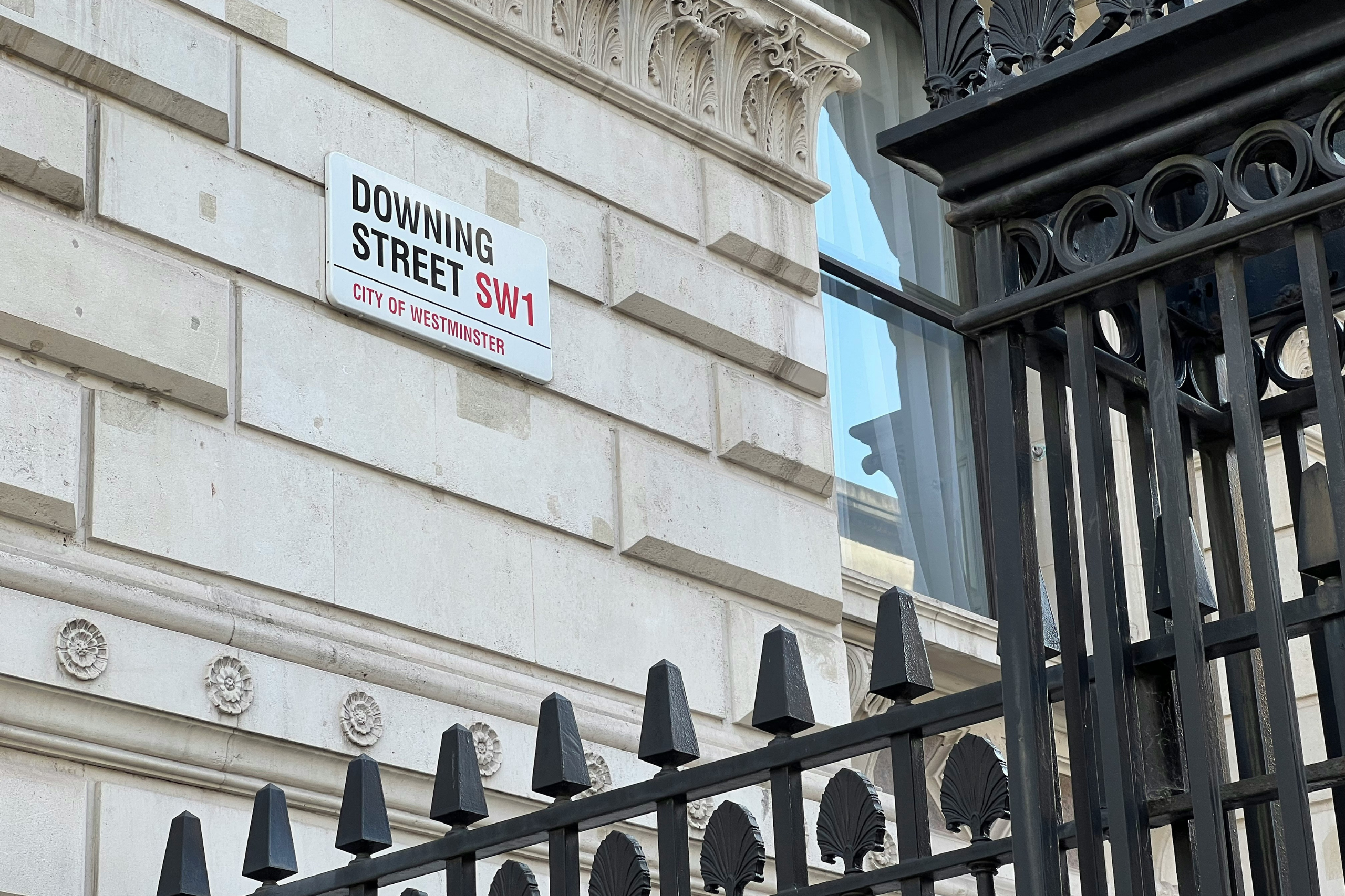
Here at Knight Knox, we break down how Andy Burnham’s housing, rental, tax and planning policies could affect UK landlords, property investors and the wider market.
This article is for general information only and does not constitute personal financial or investment advice. Property values and rental income can fall as well as rise, and past performance is not a reliable indicator of future results. You should seek independent financial advice before making any investment decision.
Who Is Andy Burnham?
Andy Burnham has become the UK’s new Prime Minister, bringing a new leadership style to the existing Labour government.
After serving as MP for Leigh, holding several senior government and Shadow Cabinet roles, and spending nine years as Mayor of Greater Manchester, Burnham returned to Parliament in June 2026. Following Keir Starmer’s resignation, he was elected Labour leader and became Prime Minister on 20 July.
While many of the government’s housing reforms are already underway, a change in leadership can influence priorities, spending decisions and the pace of delivery. It remains too early to predict how the property market will respond. However, four areas are likely to remain firmly in focus over the coming months.
For landlords and property investors, attention will now turn to what Burnham’s premiership could mean for housing. From rental regulation and taxation, to planning reform and investment incentives, it’s important to consider how this may affect the property landscape.
1. Housing delivery and regeneration
Housing has long been one of Andy Burnham’s key political priorities, retaining Labour’s original target of delivering 1.5 million homes across England during this Parliament, targeting around 300,000 annually. In 2024-25 England recorded an increase in net additional dwellings of 190,600 newly built homes, a 6% annual decline, this raising the question about whether the government’s housing targets are achievable.
Burnham has pledged to deliver the largest council housebuilding programme since the post-war period, supported by greater powers and funding for regional leaders these proposed measures include;
- Accelerating planning decisions,
- Establishing development corporations
- Releasing suitable public land
- Unlock stalled sites
Detailed funding and delivery targets have yet to be confirmed, while infrastructure, labour and commercial viability may continue to affect progress.
Greater investment in housing, infrastructure and regeneration could create opportunities for developers and investors. However, the effects will vary by location: increased supply could moderate price and rental growth in some areas, while well-connected regions with strong employment and persistent housing shortages may continue to experience robust demand.
2. The private rented sector
Many of the biggest changes affecting landlords are already underway.
The Renters’ Rights Act continues to reshape the private rented sector, widely considered the biggest reform to England’s private rental sector since the Housing Act 1988, fundamentally changing the relationship between landlords and tenants through banning Section 21 evictions, outlawing rental bidding wars and introducing assured periodic tenancies.
Upcoming EPC reforms has magnified the importance of landlords needing to offer a more robust property condition and stricter safety standards. The extension of the Decent Homes Standard means that properties must pass five tests to be considered legally lettable. These standards include:
- Homes must be free of serious Category 1 hazards defined by the Housing Health and Safety Rating System (HHSRS)
- The property must be in a decent state of repair
- Facilities within a property must allow adequate access and provide modernised core facilities
- Properties must be free of systemic issues of mould and damp and outline a strict timeline, as introduced by Awabbs Law, in which landlords must address these issues
- The property must provide reasonable thermal comfort
For landlords, understanding regulatory requirements is becoming increasingly important. Whether investing in traditional buy-to-let or another property sector, compliance, property standards and ongoing legislation are likely to remain important considerations when assessing long-term investment opportunities.
3. Property tax and Stamp Duty
Taxation is often one of the first areas investors look at when a new Prime Minister takes office,
Burnham has a longstanding history criticising Stamp Duty, proposing that both Stamp Duty and Council tax be replaced by a more general Land Value Tax, a levy charged on the value of the land itself rather than the value of the property. Since becoming Prime Minister, he has ruled out changes to Stamp Duty in the forthcoming Budget, confirming that investors should continue working within the existing framework for now.
Burnham’s position on capital gains tax and mortgage interest relief remains unclear, with no specific proposals announced to date. Leaving the current framework for finance and mortgage affordability unchanged. Any future changes to these policies would be addressed in any forthcoming fiscal updates from the government.
From a property-investment perspective, the reduction of VAT on domestic electricity from 5% to 0% in October 2026 could slightly lower household energy costs and ease pressure on tenants’ budgets. According to the Department for Energy Security and Net Zero, the change is expected to save a typical household around £45 annually, alongside the £150 reduction announced in the previous Budget. While the direct effect on investment returns is likely to be limited, lower energy costs could modestly support rental affordability and reduce wider inflationary pressures.
As always, investors should base decisions on confirmed government policy rather than speculation, while keeping an eye on future Budgets and fiscal announcements.
4. Regional growth and devolution
One of Andy Burnham’s defining political priorities has been devolving power away from Westminster. A statement from the UK Government, explains that the aim of this is to support existing plans to give regional mayors greater control over funding, investment and economic development, with the aim of supporting growth beyond London. Allowing communities to benefit from more robust and localised decision making, further stating that “more of the taxes raised in a community will stay in that community,” for property investors, regional economic growth often underpins long-term housing demand.
If increased investment reaches regional towns and cities through transport improvements, employment growth and regeneration, it could strengthen local economies and support housing demand over time. Better connectivity may widen commuter areas, while new jobs and improved amenities could encourage more people to live and work locally. Regeneration may also unlock underused sites and improve the appeal of surrounding neighbourhoods.
However, investment announcements do not guarantee property-price or rental growth. Investors should assess each location individually, considering local employment, population trends, transport links, housing supply, rental demand, affordability and the likelihood that proposed projects will be delivered.
Key takeaways
A new Prime Minister naturally brings renewed attention to housing policy, but property markets are rarely shaped by political leadership alone. The government’s ambition to deliver the “biggest council housebuilding programme since the post-war period” may encourage investors to look more closely at where they place their capital. Rental demand, vacancy rates and planned housing supply within targeted areas should all be considered when assessing the long-term strength of a location.
Housing demand, interest rates, employment, infrastructure and local economic growth remain some of the strongest drivers of long-term property performance. While political announcements can create short-term uncertainty, the property market is typically influenced by longer-term factors such as housing supply, tenant demand, affordability, employment and regeneration. Monitoring these fundamentals alongside confirmed policy developments can provide a more balanced understanding of the market. As Andy Burnham’s leadership develops, greater clarity will emerge on how his priorities translate into policy and what that could mean for investors across the UK.
The information in this article is for general guidance only and does not constitute personal financial or investment advice. Property values and rental income can fall as well as rise. Past performance is not a reliable indicator of future results. You should seek independent financial advice before making any investment decision.
Read more about what landlords need to know about the 2030 EPC reforms.
Explore how Bank of England base-rate changes can affect property investors.
Compare traditional buy-to-let with alternative types of property investment.